



Effective protection from a contagious virus
Rubella, sometimes called German measles, is a contagious viral illness that spreads through the air when an infected person coughs or sneezes. While rubella is often mild in children, it can pose serious risks to pregnant women and their unborn babies.
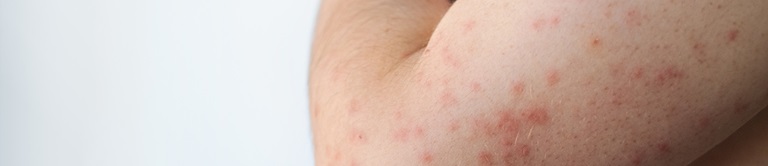
Children infected with rubella may develop a rash, fever and swollen lymph nodes. Older children may first experience swollen glands or respiratory symptoms before developing a rash. Although many people recover quickly, rubella infection during pregnancy can cause miscarriage or severe birth defects.
At Marshfield Clinic, our pediatric and family medicine providers ensure children stay protected through routine MMR vaccination, which also guards against measles and mumps.
Schedule Today
Call: (866) 520-2510 Monday-Friday 8 a.m. - 5 p.m.
View immunization history
You can view your immunization history by logging into My Marshfield Clinic.
Symptoms
Rubella symptoms may include:
- Rash
- Fever
- Swollen lymph nodes
- Headache
- Mild upper respiratory symptoms
- Swollen glands near the ears or jaw (more common in older children)
Symptoms can be mild or easily mistaken for other viral illnesses.
Possible complications
Rubella can cause:
- Miscarriage during early pregnancy
- Serious birth defects, including hearing loss, heart problems, and developmental delays
These risks make vaccination especially important for preventing the spread of rubella.
Who's most at risk
Rubella most often affects:
- Unvaccinated children
- Teens and adults who have not received two doses of the MMR vaccine
- Pregnant individuals who are unvaccinated or unsure of their immunity
Vaccine recommendations
The MMR vaccine protects against measles, mumps and rubella.
- All children should receive two doses of MMR or MMRV starting at 1 year of age
- Some teens and adults may need the MMR vaccine if they did not receive two doses earlier in life.
- Pregnant individuals cannot receive the MMR vaccine during pregnancy but should ensure immunity before becoming pregnant.
Your provider can help confirm your vaccine history and determine whether you need MMR vaccination.
How Marshfield Clinic supports you
Our care teams help families:
- Stay on track with routine childhood vaccinations
- Review immunity before pregnancy
- Understand when catch-up doses may be needed
- Receive clear, supportive guidance at every step