




Jumper's knee: 5 things to know
Posted: January 31, 2020
[caption id="attachment_14540" align="alignright" width="450"]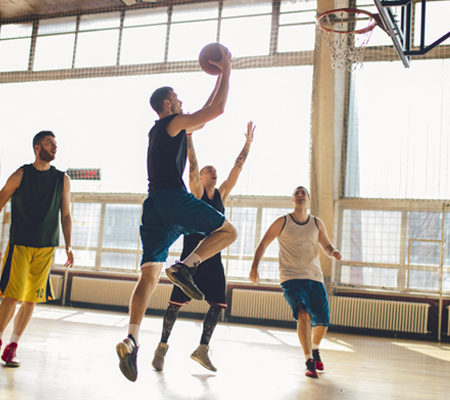 Jumper's knee is a common injury many athletes experience. Also called patellar tendonitis, it can impact up to 20% of all jumping athletes.[/caption]
Jumper's knee is one of the most common injuries athletes may experience. You may have heard it called patellar tendonitis or patellar tendinopathy, but regardless of what term is used, it can impact up to 20% of all jumping athletes. Samuel Voight, a Marshfield Clinic Health System licensed athletic trainer, offers his expertise to break down what the injury is and how you can take steps to prevent it.
Jumper's knee is a common injury many athletes experience. Also called patellar tendonitis, it can impact up to 20% of all jumping athletes.[/caption]
Jumper's knee is one of the most common injuries athletes may experience. You may have heard it called patellar tendonitis or patellar tendinopathy, but regardless of what term is used, it can impact up to 20% of all jumping athletes. Samuel Voight, a Marshfield Clinic Health System licensed athletic trainer, offers his expertise to break down what the injury is and how you can take steps to prevent it.
What is jumper's knee and what are its symptoms?
Jumper's knee is an inflammation in the patellar tendon, which connects the kneecap to the shinbone. The injury leads to gradually increasing pain or tenderness around the tendon, especially with activities like jumping, running or going up and down stairs.What causes it and how is it treated?
The most common cause of the injury is from an overload of the jumping motion. It's a regular occurrence in sports such as basketball, volleyball and soccer. But it also can happen during training exercises like plyometrics, jump rope and deep squatting. "Even prolonged running or hill running without jumping can lead to irritation of the infrapatellar tendon," Voight said. "A one-time injury like a tendon strain or contusion may also progress to excessive inflammation." He also mentioned that jumper's knee can develop in people of all ages. "It takes time for the body to adapt to increases in activity level," Voight said. "This is especially true for dense tissues like tendon and bone." Treatment of patellar tendinitis varies depending on the severity and duration of the symptoms, and Voight often recommends these treatment methods for patients:- Ice-cup massage (3-5 times a day for 5 minutes each time) or ice bag placed on the injury (ice cubes in a plastic bag, 3-5 times a day for 20 minutes each time).
- Anti-inflammatory medicines such as ibuprofen and Naprosyn may be indicated by your physician.
- If symptoms persist or worsen, you may be referred to a physical therapist.