




Pointers for parents of pigeon-toed children
Posted: June 18, 2018
[caption id="attachment_12488" align="alignright" width="450"]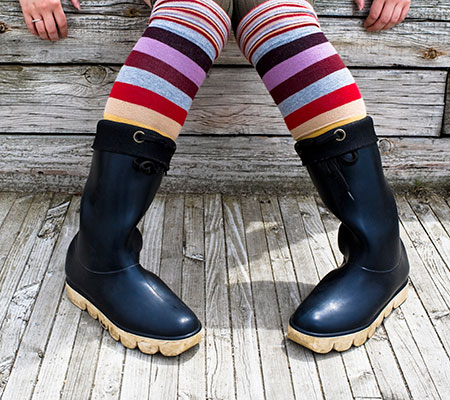 Most kids outgrow being pigeon-toed when they develop adult walking patterns around age 8.[/caption]
Noticing a child is pigeon-toed may worry parents, but toes that point inward are rarely a problem. In fact, intoeing often corrects itself by the time a child turns 7 or 8, and it rarely causes pain or problems walking.
Intoeing usually happens because of how a baby is positioned in the womb. The child's hips, lower legs, feet, or a combination of those areas may be turned in.
"Parents often notice intoeing when children start walking," said Nicole Quarne, a Marshfield Clinic physical therapist.
Occasionally an injury in childhood or adulthood can cause intoeing on one side where the person is compensating for weakness or pain.
Most kids outgrow being pigeon-toed when they develop adult walking patterns around age 8.[/caption]
Noticing a child is pigeon-toed may worry parents, but toes that point inward are rarely a problem. In fact, intoeing often corrects itself by the time a child turns 7 or 8, and it rarely causes pain or problems walking.
Intoeing usually happens because of how a baby is positioned in the womb. The child's hips, lower legs, feet, or a combination of those areas may be turned in.
"Parents often notice intoeing when children start walking," said Nicole Quarne, a Marshfield Clinic physical therapist.
Occasionally an injury in childhood or adulthood can cause intoeing on one side where the person is compensating for weakness or pain.
Treatment usually isn't needed
Doctors often don't treat intoeing in children unless it's causing problems like pain or falling.In the old days, doctors used to have children wear shoes on the wrong feet or wear leg braces," said Heather Vogel, a Marshfield Clinic physical therapist. "Now we know treatment isn't needed for mild intoeing."Most kids outgrow intoeing when they develop adult walking patterns at 7 or 8 years old. Some people revert to intoeing when they're tired, and others remain pigeon-toed in adulthood, but it's usually not a problem. Kids and adults whose toes turn in can participate in sports and perform normally. "Some of the fastest athletes in the world are pigeon-toed," Vogel said.