




Pulmonary embolism: 4 things to know
Posted: May 2, 2018
If you're going on a long plane ride, beware of a danger far greater than a kid kicking the back of your seat. That danger is pulmonary embolism, and it occurs when an artery in the lungs becomes blocked by a blood clot.Symptoms and diagnosis
[caption id="attachment_12383" align="alignright" width="450"]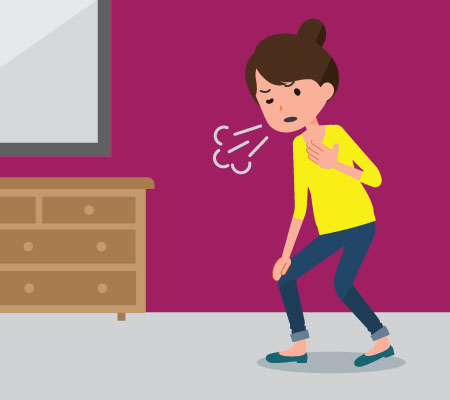 Cough, chest pain and shortness of breath are all potential symptoms of a pulmonary embolism.[/caption]
The most common symptom of a pulmonary embolism is shortness of breath. Other symptoms include chest pain and cough.
"Most blood clots come from your thighs," said Marshfield Clinic pulmonologist Dr. Craig Wolfe. "So when I examine someone who I believe may have a pulmonary embolism, I look for swelling in one leg versus the other, pain in one leg and sudden onset of shortness of breath."
Pulmonary embolism is detected by a cat scan of the chest. If you are having symptoms of a pulmonary embolism, it's important to seek medical attention as quickly as possible.
Cough, chest pain and shortness of breath are all potential symptoms of a pulmonary embolism.[/caption]
The most common symptom of a pulmonary embolism is shortness of breath. Other symptoms include chest pain and cough.
"Most blood clots come from your thighs," said Marshfield Clinic pulmonologist Dr. Craig Wolfe. "So when I examine someone who I believe may have a pulmonary embolism, I look for swelling in one leg versus the other, pain in one leg and sudden onset of shortness of breath."
Pulmonary embolism is detected by a cat scan of the chest. If you are having symptoms of a pulmonary embolism, it's important to seek medical attention as quickly as possible.
A life-threatening condition
"Pulmonary embolism is always life threatening," Wolfe said. "You can die from them if you get a big blockage that blocks all the blood flow through your lungs." Wolfe said once you have one blood clot, more tend to form.It's like a snowball running downhill," Wolfe said. "The more clots you have, the more new clots form and the quicker they build up."