4 tips for talking with your kids about COVID-19
Posted: April 8, 2020
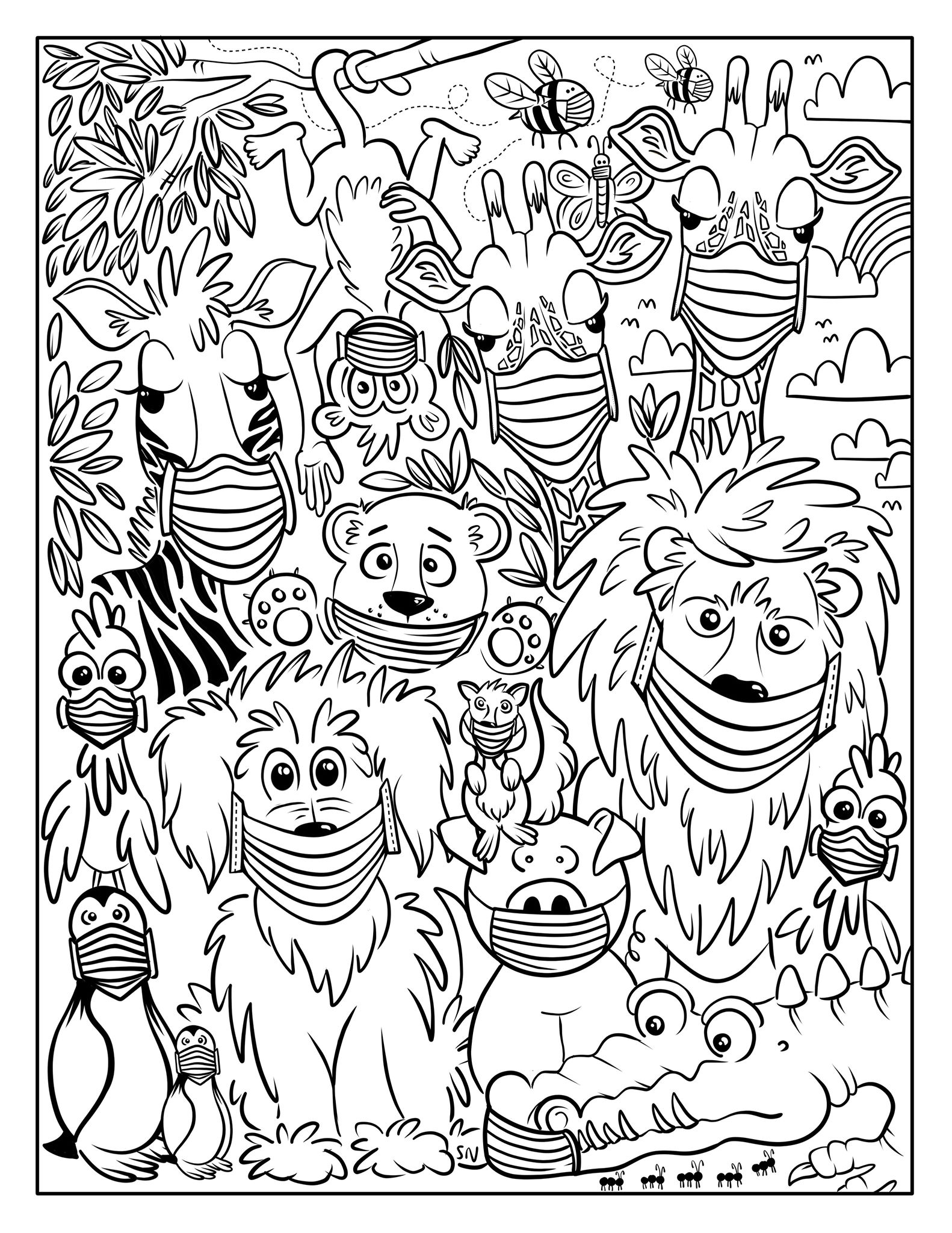
Editor's note: This article was published on April 8, 2020. COVID-19 information and recommendations are subject to change. For the most up-to-date information, visit the Centers for Disease Control and Prevention (CDC) website or view our most recent COVID-19 blog posts. The uncertainty surrounding Novel Coronavirus (COVID-19) has upended normal routines. It can be stressful and scary for young children, teens and adults. [caption id="attachment_15160" align="alignright" width="450"] It's important to talk with your child about COVID-19 to help them learn the facts and allow them to express their concerns.[/caption]
"Most children have probably already heard about the virus or have seen people wearing facemasks, so it is important to make sure that we help them understand what is going on," said Heidi Giese, Child Life & Expressive Therapies manager at Marshfield Children's Hospital. "Not talking about something can actually make kids worry more."
You can't control what's going on, but you can encourage questions to minimize the negative impact and help your children understand COVID-19.
It's important to talk with your child about COVID-19 to help them learn the facts and allow them to express their concerns.[/caption]
"Most children have probably already heard about the virus or have seen people wearing facemasks, so it is important to make sure that we help them understand what is going on," said Heidi Giese, Child Life & Expressive Therapies manager at Marshfield Children's Hospital. "Not talking about something can actually make kids worry more."
You can't control what's going on, but you can encourage questions to minimize the negative impact and help your children understand COVID-19.
First, find out what they know
Clarify misinformation or misunderstandings with factual information. This will decrease the stress and anxiety children may be feeling from what they are hearing from their friends or on the news. Offer comfort and honesty. Not being able to go to school, work and other places is temporary. Focus on what you and your family are doing to stay safe.Offer age appropriate information
Don't volunteer too much information, as it may be too overwhelming. Younger children fantasize about the unknown. Talk about their feelings and validate these. Loneliness boredom, fear, anxiety, stress and panic are normal reactions to stressful situations.Help children express their feelings
Offer creative opportunities and ask open ended questions to help encourage them to express their emotions. Teens can write in a journal or be creative with art. Their peer group is important, so allow time with friends through online gaming, participate in physical activity while maintaining social distancing, and have conversations or social interactions using technology. Provide children expressive activities while playing. They can draw, read books about feelings, sculpt with clay or playdough. Younger children can use imaginative play with dolls or figurines, houses, cars. Find a safe way for kids to act out frustrations. Make cookies and let them pound the dough. Make a worry doll and have your child feed the doll their worries before bed. Giese recommends the following resources for children:- Animal mask coloring page download - courtesy of Child Life Specialists list serve
- I have a question about Coronavirus