




Dust allergies: Putting dust mites to bed
Posted: June 20, 2023
It doesn't take a whole dust cloud to make some people sneeze. Exposure to house dust and dust mites may result in significant allergy symptoms including sneezing, nasal congestion, drainage and itching of the nose and eyes. It can also trigger asthma symptoms including tight cough, wheezing, chest tightness and shortness of breath. [caption id="attachment_11550" align="alignright" width="450"]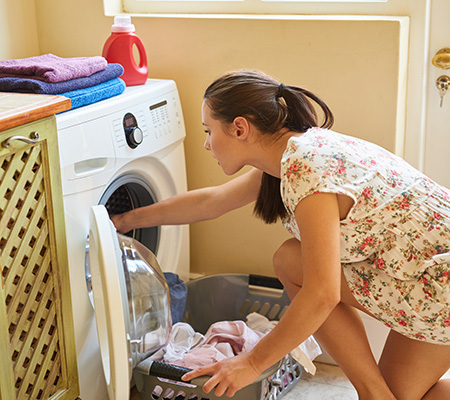 Wash and dry bedding on the hot or warm setting once a week to control dust allergy symptoms.[/caption]
Patients who are allergic to something contained in house dust typically experience symptoms throughout the year. However, there are ways to control your symptoms.
"Allergy testing is the only way to know for sure what you're allergic to," said Dr. Kevin Keller, allergist at Marshfield Clinic Health System. "It makes sense to find out what triggers your allergy symptoms before making environmental changes to control something that is not in fact a problem."
Wash and dry bedding on the hot or warm setting once a week to control dust allergy symptoms.[/caption]
Patients who are allergic to something contained in house dust typically experience symptoms throughout the year. However, there are ways to control your symptoms.
"Allergy testing is the only way to know for sure what you're allergic to," said Dr. Kevin Keller, allergist at Marshfield Clinic Health System. "It makes sense to find out what triggers your allergy symptoms before making environmental changes to control something that is not in fact a problem."
House dust and dust mites
House dust is composed of various potential allergens including the waste products and body parts of dust mites, but also from cockroaches and Asian ladybugs. Dust mites are microscopic members of the spider family that thrive in warm humid environments. They feed on flecks of skin that we shed every day. A dust allergy means you are allergic to the waste products and body parts of dust mites. Some people assume they're allergic to dust mites when they're actually allergic to different components of house dust, like pet dander or mold.Make environmental changes and show dust mites the door
Dust mites live in mattresses, bedding, upholstered furniture and carpeting. Dust allergy symptoms usually are more intense at night because most people spend a significant amount of their time at home in bed, sleeping. "The bedroom is a big problem area for dust mites, so it makes sense to focus your efforts there," said Dr. Keller. These steps are recommended for reducing dust mite allergens in bedrooms:- Encase pillows, mattresses and box springs in allergen-proof covers. If more than one person sleeps in the bedroom, cover each bed, even if only one person has allergies.
- Wash and dry bedding weekly on the warm or hot setting.
- Limit stuffed animals in the bedroom or keep them in an airtight container when not in use.
- Replace carpeting with smooth-surface flooring like wood, vinyl or linoleum if possible.
Talk to your doctor if allergies aren't well controlled
Over-the-counter nasal sprays and antihistamines can help if environmental changes aren't enough to control allergies. If those don't do the trick, an allergist may be able to help you overcome your symptoms using desensitization. Through this method, you receive a series of shots with a controlled dose of your allergen. The goal is to help you build a tolerance. Shots are most successful for treating pollen and dust mite allergies. Oral desensitization is available for dust mites, which has been approved by the Food and Drug Administration and is taken on a daily basis. [divider]For allergy care, visit Marshfield Clinic Health System.
[su_button style="default" background="#003E51" size="6" url="https://marshfieldclinic.org/appointments" target="_self"]Schedule appointment[/su_button] [su_button style="ghost" background="#003E51" color="#003E51" size="6" url="https://www.marshfieldclinic.org/Doctors/Search?k=%27Allergy%20Immunology%27" target="_self"]Find an allergy provider[/su_button]
[divider]