




Control persistent rashes with the right diagnosis
Posted: August 18, 2017
[caption id="attachment_11344" align="alignright" width="450"]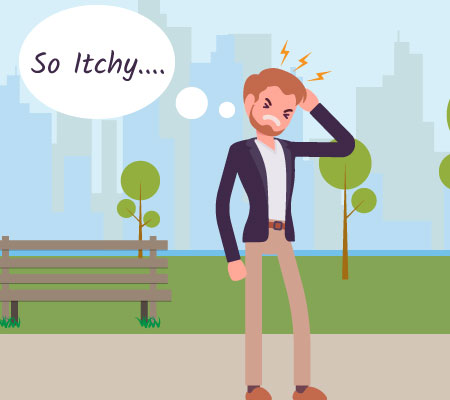 Itchy skin rashes like psoriasis and eczema can affect your job, school and social life.[/caption]
Are you desperate for relief from red, irritated skin?
Psoriasis and eczema are common culprits of uncomfortable rashes. Knowing which one is causing your skin problem is crucial to relieving irritation.
"There can be a lot of overlap in symptoms, making it difficult to tell them apart," said Dr. Clayton Green, a Marshfield Clinic dermatologist.
If you have a persistent rash, make an appointment with a dermatologist to learn about treatment options.
Itchy skin rashes like psoriasis and eczema can affect your job, school and social life.[/caption]
Are you desperate for relief from red, irritated skin?
Psoriasis and eczema are common culprits of uncomfortable rashes. Knowing which one is causing your skin problem is crucial to relieving irritation.
"There can be a lot of overlap in symptoms, making it difficult to tell them apart," said Dr. Clayton Green, a Marshfield Clinic dermatologist.
If you have a persistent rash, make an appointment with a dermatologist to learn about treatment options.
Eczema and psoriasis: Similarities and differences
- They can cause itching. Itching is a requirement for an eczema diagnosis. Psoriasis can itch, but no itching is involved in about 30 percent of cases.
- They cause redness. Eczema is a wet, weepy red rash while psoriasis is a dry, thick, scaly red rash.
- They occur on or near the same body parts. Eczema usually shows up on the inner forearms and backs of the knees. Psoriasis strikes on the opposite sides of the same body parts – on the kneecaps and outer elbows. Eczema often affects the face, but psoriasis usually doesn't. Both rashes can affect the hands.
- They are lifelong conditions. Eczema and psoriasis go through phases of being fine and flaring up, but both need lifelong management.
- They often occur alongside other health conditions. People who have eczema tend to have seasonal allergies and asthma. Psoriasis often occurs alongside autoimmune arthritis, Type 2 diabetes, obesity and heart disease.
- Neither is contagious. Only a small number of rashes are contagious, and psoriasis and eczema aren't among them.
- They usually first appear at different stages of life. Eczema usually shows up for the first time in early childhood. Kids can get psoriasis, but it's not common. It's more likely to begin in the late teens/early 20s or when someone reaches their 60s.