




It's not like star-gazing: Keep your eyes safe during the solar eclipse
Posted: April 3, 2024
A total solar eclipse is a phenomenon that could bring millions outside to watch the moon completely cover the sun. However, looking directly at the sun can be dangerous and even lead to blindness. [caption id="attachment_18422" align="alignright" width="450"]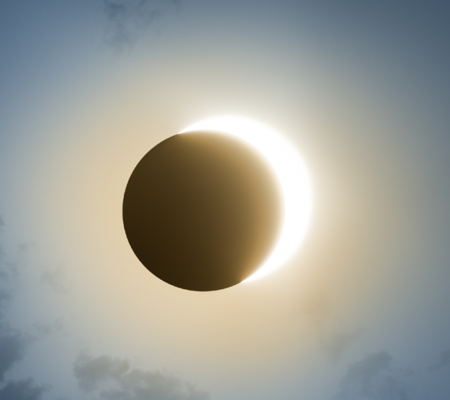 According to NASA, eclipse glasses should have an ISO 12312-2 international standard and the manufacturer's name and address printed somewhere on the product.[/caption]
How can you safely experience this phenomenon?
Jill Dillon, a Marshfield Clinic Health System optometrist, says staring directly at the sun can damage the retina, which is the light-sensitive part of your eye. "Staring at the sun can cause a condition called solar retinopathy," Dillon said. "This is a condition where the harmful UV rays from the sun damage retinal tissue. Essentially, the retinal gets ‘cooked' from the sun. This damage to the cells within the retinal tissue can cause vision to be lost or distorted, and if the degree of damage is great enough, vision loss could be permanent." Other symptoms you may notice are increased sensitivity to light, watering eyes, or general eye discomfort or soreness. No true treatment for solar retinopathy is available at this time other than treating the discomfort. Over time, damaged retinal cells may heal, but there's no guarantee. Since the brain does not interpret the light as pain, you will not know if you have looked at the sun or eclipse for too long. As a result, staring at the sun can cause blurry vision and temporary or even permanent blindness.Your brain can't process if the damage is permanent or not," Dillon said. "Even if you stared at the sun for a second, that small glance can lead to blindness. So it's very important to never stare directly at the sun."