




Hangry symptoms: Why food affects your mood
Posted: August 20, 2024
You know what it means to be "hangry" if you've ever had symptoms like snapping at someone a few hours after your last meal. [caption id="attachment_18701" align="alignright" width="450"]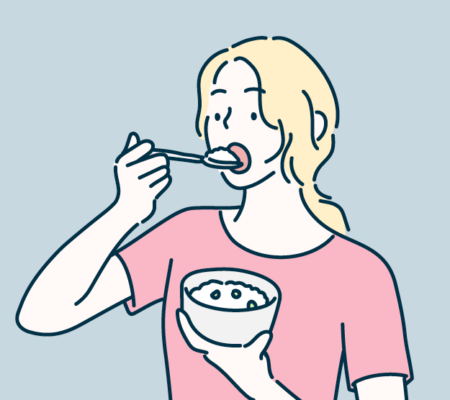 Hangry, a mixture of words hungry and angry, refers to our tendency to be short-tempered when we're due for a meal.[/caption]
"Hunger is a human instinct in response to the body's need to find food and stay alive," said Krystle Endries, a registered dietitian at Marshfield Clinic Health System.
Hangry, a mixture of words hungry and angry, refers to our tendency to be short-tempered when we're due for a meal.
Hangry, a mixture of words hungry and angry, refers to our tendency to be short-tempered when we're due for a meal.[/caption]
"Hunger is a human instinct in response to the body's need to find food and stay alive," said Krystle Endries, a registered dietitian at Marshfield Clinic Health System.
Hangry, a mixture of words hungry and angry, refers to our tendency to be short-tempered when we're due for a meal.
Why do we get hangry?
To function well, your brain depends on glucose from the food you eat. Blood glucose levels drop as time passes since your last meal. When blood glucose levels fall far enough, you might notice changes in your mood and mental function, leading to these hangry symptoms:- Trouble concentrating
- Feeling grumpy
- Snapping at others
Simple hanger solutions
Curing hanger is as easy as eating a snack. Unfortunately, you may find yourself reaching for chips and candy when you're hungry and grumpy. You'll feel better for a while after eating these snacks, but you'll be hangry again soon. Instead, reach for fruit, nuts or whole-grain carbs to boost serotonin and stay full longer. "Some easy-to-grab and well-rounded ideas are foods like veggies and hummus, peanut butter and apples, cottage cheese and fruit, yogurt and fruit, trail mix or turkey roll ups," Endries added. Here are additional healthful eating tips to prevent hunger:- Don't skip meals. Eat reasonable portions throughout the day.
- Meal plan so you don't find bare shelves when you start feeling hungry.
- Carry healthful snacks. A combination of fiber and protein will help you feel full and prevent hanger.
- Avoid crash diets. They don't work and may leave you feeling hungry. Eat a balanced diet of more whole and fresh foods instead.