




What poisonous plant is making me itch?
Posted: August 24, 2015
Wondering which plant is the root cause of your summer rash? Look no further to better understand each plant rash. Below is a quick guide to the most popular poisonous plants in central Wisconsin. [caption id="attachment_6573" align="alignright" width="350"]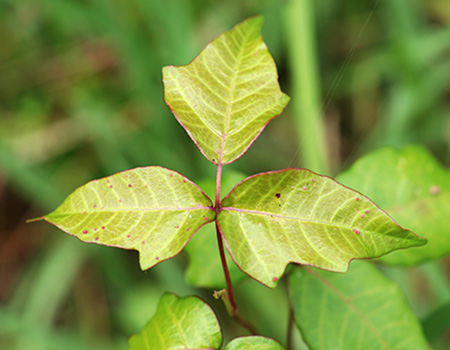 Poison Ivy[/caption]
Poison Ivy
Location: Pastures, roadsides, damp forests. Description – Leaves: Divided into three green leaflets, vary in size, shape and appearance, may turn yellow, orange or red in fall. Flowers: Greenish-yellow in clusters near the stem. Fruit: Yellowish-white round berry with stripes. Poison oak looks similar but with more lobes on the leaflets. Toxin – Roots, stems leaves, flowers and fruit contain oils that cause skin irritation and blisters. Symptoms occur within 24 hours of exposure. Treatment – Wash with regular or specialized soap (such as Tecnu) and water ASAP to prevent rash. Care My Way® gives quick treatment for common conditions like poison ivy rashes. Download the app to get started. [caption id="attachment_6574" align="alignleft" width="350"] Poison Sumac[/caption]
Poison sumac
Location – Wet areas such as floodplains, swamps and bogs. Description – Shrub or small tree, 5- to 25-feet high. Leaves: Seven to 13 leaflets glossy green on top and pale green on bottom. Fruit: Ivory to pale green and hang in about 8-inch long loose clusters. Toxin – Contact causes blisters with 24 hours. Treatment –Wash with soap and water ASAP. Photo by Norman Melvin, hosted by the USDA-NRCS PLANTS Database [caption id="attachment_6576" align="alignright" width="350"]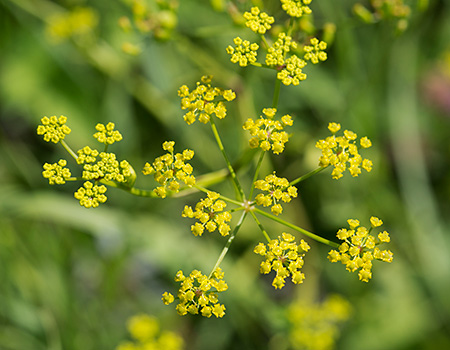 Wild parsnip[/caption]
Wild parsnip
Location – Roadside ditches, wasteland and ungrazed grassland. Description – Stem: 3-to 5-feet tall. Flowers: Five yellow pedals arranged in clusters. Leaves: Toothed margins and alternate along the stem. Toxin: Plant sap from broken leaves or stems touches skin. Can turn affected area red like a sunburn. In serious cases, the skin turns red then blisters. If sap on skin is exposed to sunlight, it can form blisters. Treatment: Wash ASAP, burning is relieved by covering affected area with cool, wet cloth. Avoid rupturing blisters. Contact doctor if extensive blistering. [caption id="attachment_6575" align="alignleft" width="350"]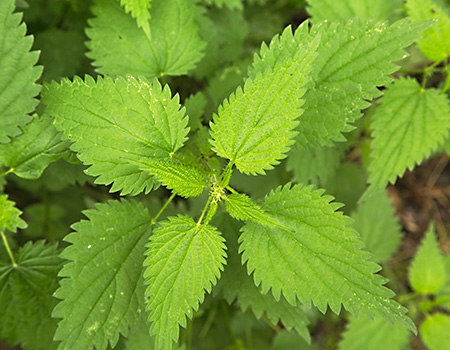 Stinging Nettles[/caption]
Stinging nettles
Location: Grows in full sun in damp, fertile soil such as in canals, barnyards and fencelines. Description: Perennial plant 2-to7-feet tall. Stem: Square, rigid and covered with stinging hairs. Leaves: Dark green and opposite of each other on stem, 3-to 6-inches long, sawtooth edges and stinging hairs. Toxin: Stinging hairs can cause welts, inflammation and a burning sensation on contact. Treatment: Remove hairs with tape or tweezers. Cooling creams, lotions and anti-itch creams reduce symptoms. If you have been outside in hot sun, your skin rash may also be caused heat rash. Read our post about heat rash for more information. [divider]For questions about rashes, talk to a Marshfield Clinic Health System provider.
[su_button style="default" background="#003E51" size="6" url="https://marshfieldclinic.org/appointments" target="_self"]Schedule appointment[/su_button] [su_button style="ghost" background="#003E51" color="#003E51" size="6" url="https://marshfieldhealth.iqhealth.com/" target="_self"]Message your provider[/su_button]
[divider]