




Rare disease clinic offers hope for patients with Bardet-Biedl syndrome
Posted: February 28, 2017
https://www.youtube.com/watch?v=S9G-CuxpU9o [caption id="attachment_10516" align="alignright" width="450"] Bardet-Biedl syndrome is a rare genetic disease that affects about 3,000 people in the U.S.[/caption]
It may be hard to imagine living with a disorder that affects nearly every part of your body, but that's the case for about 3,000 people in the U.S. who have Bardet-Biedl syndrome (BBS).
Genetic mutations cause BBS, a rare disease that someone can inherit. Because it's so uncommon, diagnosis, treatment and support may be delayed.
Marshfield Clinic Health System offers the only comprehensive treatment services for BBS in North America, said Dr. Robert Haws, a pediatric nephrologist and founder of the Health System's Center of Excellence for BBS.
"Not all doctors understand our daughters' specific medical needs and differences," said Mary Morris of Phoenix, Arizona.
Her daughters, Ashley and Carly, both have BBS and receive care at the Health System. Patients and families like the Morris family come from around the world for specialty care.
Bardet-Biedl syndrome is a rare genetic disease that affects about 3,000 people in the U.S.[/caption]
It may be hard to imagine living with a disorder that affects nearly every part of your body, but that's the case for about 3,000 people in the U.S. who have Bardet-Biedl syndrome (BBS).
Genetic mutations cause BBS, a rare disease that someone can inherit. Because it's so uncommon, diagnosis, treatment and support may be delayed.
Marshfield Clinic Health System offers the only comprehensive treatment services for BBS in North America, said Dr. Robert Haws, a pediatric nephrologist and founder of the Health System's Center of Excellence for BBS.
"Not all doctors understand our daughters' specific medical needs and differences," said Mary Morris of Phoenix, Arizona.
Her daughters, Ashley and Carly, both have BBS and receive care at the Health System. Patients and families like the Morris family come from around the world for specialty care.
A rare disease with many symptoms
BBS can result from mutations in 25 different genes that are involved in the structure and function of cell structures called cilia. Cilia are also involved in cell movement, receiving and sending signals between cells, and sensory perception. BBS affects many parts of the body. Common features include:- Impaired vision.
- Excessive appetite and obesity.
- Chronic kidney disease.
- Extra fingers and toes.
- Heart problems.
- Endocrine disorders that affect growth and development, metabolism, sexual function and reproduction.
Specialty care available at Marshfield Clinic Health System
[caption id="attachment_10517" align="alignright" width="450"]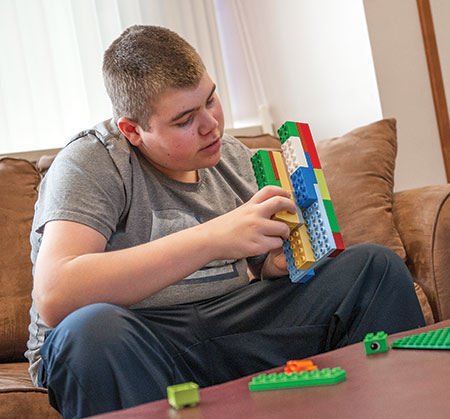 Marshfield Clinic offers the only comprehensive care for BBS in North America and maintains a registry that tracks the health of about 565 people with the disorder.[/caption]
The Health System offers multi-specialty care for children and adults with BBS. Patients come for 3-4 days of appointments with providers who know about the disorder.
"We emphasize a team approach," Haws said. "All the specialists work together for the betterment of one person. This is a prototype for how we can provide care to people with complex conditions."
Marshfield Clinic offers the only comprehensive care for BBS in North America and maintains a registry that tracks the health of about 565 people with the disorder.[/caption]
The Health System offers multi-specialty care for children and adults with BBS. Patients come for 3-4 days of appointments with providers who know about the disorder.
"We emphasize a team approach," Haws said. "All the specialists work together for the betterment of one person. This is a prototype for how we can provide care to people with complex conditions."
"We were absolutely blown away when we visited for the first time," Mary Morris said. "As we walked from one appointment to the other, doctors were sharing information about the girls."Within a few weeks of returning home, the Center of Excellence for BBS will send families a binder containing the consultations they had at the Health System, scientific articles about BBS and a summary letter of recommended treatments to bring to their providers at home. Their home doctors can then consult Health System specialists if they have questions about tests or treatments. The Morris family chooses to travel to the Health System each year for BBS care. "After spending many years searching for the gold standard of care our daughters deserve, we are finally satisfied we have found it," Mary Morris said.