




What to expect during a sleep study
Posted: January 12, 2018
[caption id="attachment_11914" align="alignright" width="450"]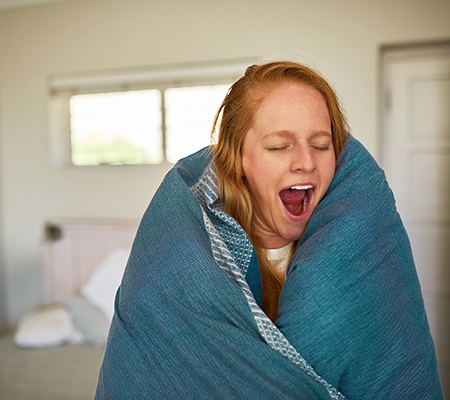 Daytime sleepiness may be the sign of a sleep disorder that can be diagnosed with a sleep study.[/caption]
"How will I be able to sleep in a strange place with wires attached to my body?"
It's a common concern among patients who have sleep studies scheduled. Knowing what to expect during a sleep study, what happens if you can't sleep, and how to prepare may help put your mind at ease.
"A lot of patients are surprised how comfortable they are during a sleep study," said Kelly Aue, a Marshfield Clinic Health System sleep medicine nurse practitioner.
Daytime sleepiness may be the sign of a sleep disorder that can be diagnosed with a sleep study.[/caption]
"How will I be able to sleep in a strange place with wires attached to my body?"
It's a common concern among patients who have sleep studies scheduled. Knowing what to expect during a sleep study, what happens if you can't sleep, and how to prepare may help put your mind at ease.
"A lot of patients are surprised how comfortable they are during a sleep study," said Kelly Aue, a Marshfield Clinic Health System sleep medicine nurse practitioner.
What's the purpose of a sleep study?
Sleep studies are done to diagnose sleep problems, including sleep apnea, problems staying awake or nighttime behaviors like sleepwalking and excessive movement. "People usually aren't aware of their behaviors when they're sleeping," Aue said. "They report symptoms their partner told them about or symptoms that indicate something is happening at night." A partner may tell the patient he snores, has pauses in his breathing or moves around a lot at night. Patients may feel tired and moody during the day, wake up multiple times during the night for no known reason or not be able to fall asleep at bedtime. Some have uncontrolled high blood pressure even with medications. These could be signs of a sleep disorder.What happens during a sleep study?
Patients check in for a sleep study around 8 p.m. Each patient gets a private room in the sleep lab with a comfortable bed and a private bathroom with a shower.It's more like staying in a hotel than a sleep lab," Aue said.After you put on pajamas and take your normal nighttime medications, the sleep technologist will begin putting electrodes and monitors on different parts of your body. These sensors measure different things to help your doctor diagnose sleep disorders, including:
- Brain waves
- Eye, jaw and limb movement
- Heart rhythm
- Breathing
- Oxygen and carbon monoxide levels
How to prepare for a sleep study
Preparing for a sleep study can make for a more restful night. Here's what you should do before your appointment and what you should bring:- Avoid caffeine, alcohol and nicotine during the afternoon or evening before your sleep study.
- Don't nap during the day.
- Pack an overnight bag with all the items you would take for a hotel stay, including comfortable pajamas, toiletries and clean clothes for the morning.
- Bring your own pillow.
- A registered nurse will call prior to the sleep study to verify your medications.
- If possible, take your evening medications before arriving for the study.